Best materials to place QR codes on
To create QR code for link, video or image - click on button below.
Generate QR Code
To create QR code for link, video or image - click on button below.
Generate QR CodeQR codes have already proved their multifunctionality and high efficiency. They are actively used in business, governmental organizations, charities, and other areas. One can generate a QR code quickly and free of charge, and there are plenty of options for its placement.
Create
QR Code Now!
Put your QR code link, add name for your QR, select content category and generate!

You can create a QR code using a link, image, video file, or plain text as content. Plus, you can place the code on any suitable surface.
The best way to share a code is to post it online: on social media, websites, etc. To do this, you need to make a QR code using a QR code generator and download it to use it for the intended purpose. For example, add the code to the promo banner on your company’s official website.

QR codes are most commonly placed on paper, cardboard, and plastic. But QR technology allows placing codes on other surfaces and products. You should consider some rules when placing QR codes on certain materials. For example, avoid shiny and strongly wrinkled surfaces.
Despite the requirements for placing QR codes, you have a wide range of places to post them online and offline. Let's see what materials are suitable for this task.

Wood is an ecological and aesthetic material that can be reused. In addition, wooden products are stylish and eye-catching, so they are excellent for use with QR codes.
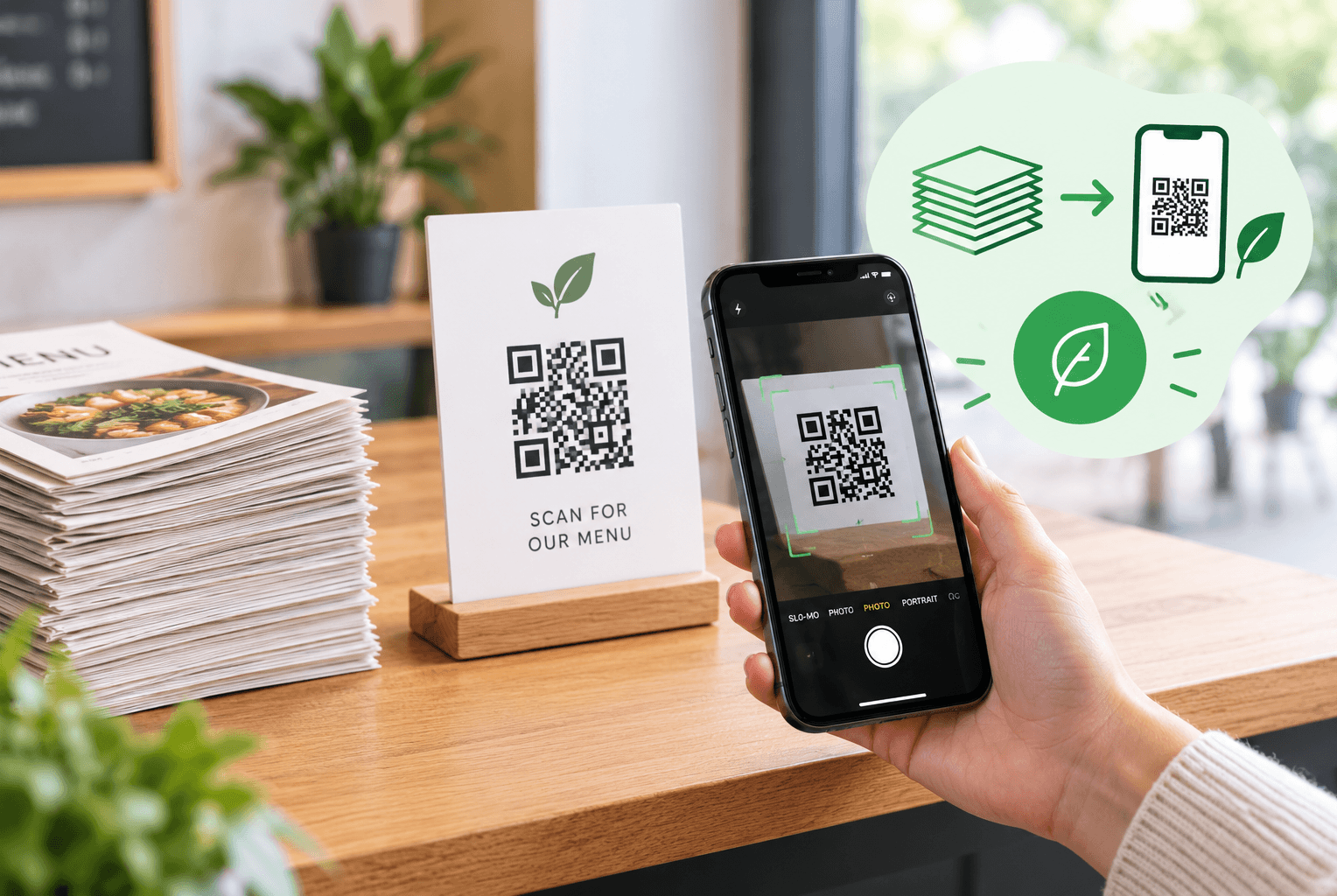
For example, you can use wooden holders instead of traditional paper menus in a restaurant. You need to create a QR code with a virtual menu; your guests will scan the code and browse it through their smartphones.
This is another natural material that surrounds us everywhere. You can notice the abundance of stone products in any city: from monuments to street name signs. Stone surfaces are durable and can be used for QR codes.
A good example is placing QR codes on exhibits in museums. A stone sign will look aesthetically pleasing and natural. Visitors will scan the code and learn more about a particular piece of art.
The advantages of metal material are its resistance to high temperatures and physical exposure and its excellent malleability during processing. This material can be used to make products of any shape and size.
A metal business card with a QR code is an interesting recent trend. Such a business card emphasizes the credibility and reliability of your company without words. If you plan to make metal business cards, generate the QR code of a dynamic type. It will come in handy if your contact information changes - you won’t have to make new cards; instead, you can update the code.
Acryl is a popular material owing to its low cost and high durability. It can be colorful or monochrome, transparent or opaque. It is often used as a more convenient and affordable alternative to glass.
You can create a QR code and place it on various acrylic surfaces. The most common are acrylic signs with the name of the establishment, signs with opening hours, menu stands in restaurants, etc.

Regardless of the material you place the QR code on, it's important to follow simple instructions. Choose suitable surfaces and generate codes with any type of content! To do this, you need to open the QR code generator, select the content type and fill in the required fields. The next step is small: place the generated QR code on the chosen surface.
The best material for a QR code depends on where it will be displayed, how long it needs to last, and the conditions in which people will scan it. Some materials are better suited to temporary printed materials, while others work well for durable signs, displays, and outdoor applications.
| Material | Common Uses | What to Consider |
|---|---|---|
| Paper and cardboard | Flyers, brochures, product packaging, menus | Affordable and easy to print, but can tear or become damaged by moisture |
| Wood | Menu holders, signs, decorative displays | Offers a natural look; the surface should be smooth enough for clear scanning |
| Stone | Museum exhibits, monuments, outdoor signs | Durable, but uneven surfaces and low contrast can make scanning difficult |
| Metal | Business cards, equipment labels, outdoor signs | Durable, but glare and reflections can interfere with scanning |
| Acrylic | Display signs, menu stands, information boards | Versatile and easy to customize; transparent or reflective finishes may require careful design |
| Plastic | Product labels, reusable signs, packaging | Can resist moisture, but curved or glossy surfaces may affect scanning |
Regardless of the material, the QR code must remain clear and easy to scan. Before printing or engraving it, check the surface for uneven textures and reflections, ensure sufficient contrast between the code and its background, and choose a size suitable for the intended scanning distance. For outdoor use, also consider exposure to sunlight, moisture, and wear. Always test the finished QR code on the actual material before using it.
The material is only one factor that affects QR code readability. Before displaying a code, consider the following:
A well-designed QR code on a suitable surface is more likely to remain readable and provide a convenient experience.
There is no single best material for every situation. Paper and cardboard work well for temporary printed materials, while metal, acrylic, plastic, wood, and stone may be suitable for signs, displays, and other long-term applications, depending on the surface and environment.
Yes. QR codes can be printed, engraved, or otherwise applied to metal surfaces. The design should provide sufficient contrast and minimize glare so that the code remains scannable.
Yes. Both materials can be used for QR codes on signs, displays, and informational plaques. A relatively smooth area, clear contrast, and testing on the finished surface help ensure readability.
Possible causes include poor contrast, reflections, surface texture, distortion, damage, or an unsuitable code size. Test the code on the finished material and adjust its design or placement if necessary.
Yes. For outdoor applications, choose a durable material and printing or engraving method suited to the environment. Check the code periodically for fading, damage, and other changes that could affect scanning.
Manage your QR codes!
Collect all your QR codes in one place, view statistics, and change content by creating an account
Sign up


Was This Article Helpful?
Click on a star to rate it!
Thank you for your vote!
Average Rating: 4.75/5 Votes: 4
Be the first to rate this post!

Expert in backend development and database architecture. Specializes in building, optimizing, and maintaining scalable PHP applications, designing efficient database structures, and ensuring data integrity and performance. Experienced in working with relational databases, writing optimized queries, and integrating backend systems with APIs and business logic to support reliable, high-performance web solutions.
View LinkedIn Profile