QR Codes on Baggage Tags: Benefits and How to Use Them
To create QR code for link, video or image - click on button below.
Generate QR Code
To create QR code for link, video or image - click on button below.
Generate QR Code
QR technology is widely used in tourism . You can create a QR code for guidebooks, flyers, event invitations, etc. This way of obtaining information greatly improves the travelers' experience on vacation. In addition, QR codes make easier routine activities like searching for a suitcase.

You are well aware of luggage transportation issues if you travel a lot. The baggage should be properly packed, following all transport company’s rules, so that your suitcase arrives at your destination without any problems. To this end, train station and airport employees label baggage with passenger details.
Unfortunately, despite following all the rules and procedures, finding your suitcase on the baggage carousel is a quest, and sometimes you fail. Luggage search and return takes precious time and may cost you extra money. You can create a QR code for your suitcase to avoid such problems.
Open the QR code generator and choose the QR code type based on the content.
It can be your contact info, a link to your social media account, or any other option
you like;
Add the content.
Select a code category that briefly describes the information in your QR code. For
luggage tags, you can pick the “Travel” option;
Generate your QR code and customize it to your liking.
Download the code to print and place it on the suitcase.

Create
QR Code Now!
Put your QR code link, add name for your QR, select content category and generate!

Tip: Take one minute and perform the scan test of your QR code to check whether the information is displayed correctly. This simple action will help you make sure the QR code works correctly.
The QR code on baggage offers many options for travelers. Here are some of the most important ones:

easy scanning.
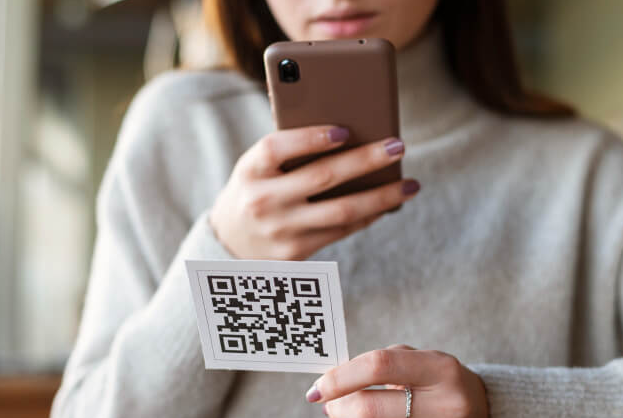
You can make a QR code online with your information and place it on your suitcase. Scanning the
code with your smartphone
at the airport
or train station will help make sure the particular suitcase is yours;

possibility to quickly receive baggage at airports or train stations
You will immediately recognize your suitcase among dozens of others. A catchy sticker with a QR
code will be a distinctive feature, as few tourists use a QR code generator;

easier search for lost luggage
The QR code will help you find your suitcase quicker if it gets lost. After scanning the code,
other passengers or transport company employees will get your personal information and contact
you to solve the problem.
It's best to use dynamic QR codes. These codes can be edited: you can change the content or even content type, e.g., replace the text in a QR code with a link. This way, you can reuse the same code without having to regenerate, print, and place it on your luggage.
A QR code on a luggage tag can serve different purposes depending on the information it contains. Choosing the right content helps travelers make it easier for others to identify their luggage and contact them if necessary.
| QR Code Content | How It Helps | What to Consider |
|---|---|---|
| Contact information | Allows someone who finds the luggage to contact its owner | Share only the contact details you are comfortable making accessible |
| Contact form | Provides a way to send a message without displaying personal details directly | Make sure the form is accessible without unnecessary login requirements |
| Luggage identification page | Displays a luggage description, such as its color, type, or distinguishing features | Avoid including sensitive personal information |
| Travel information | Can provide relevant trip or baggage instructions | Avoid sharing booking references or other confidential travel details |
| Emergency contact details | Helps someone reach a designated contact if the luggage is lost | Get the contact person's permission before sharing their details |
The best option depends on how you want someone to contact you if your luggage goes missing. A dedicated contact page or form can offer a useful balance between accessibility and privacy, while a simple luggage description can help distinguish your suitcase from similar bags.
A QR code on a luggage tag can make it easier to return a lost suitcase, but it is important to consider what information becomes accessible to other people. Since the tag may be visible in public places, avoid sharing more personal data than necessary.
These precautions can help you benefit from luggage QR codes while reducing unnecessary exposure of personal information.
As you can see, QR codes are really useful for personal travel or business trips. Packing for a trip, you can be sure your luggage will arrive at its destination, and in case of emergencies, you can find it quickly and easily.
You can link to a contact page, email address, contact form, or luggage identification page. Include only the information needed to help someone return your suitcase, and avoid sharing sensitive personal details.
A QR code can help someone who finds your luggage identify it and contact you, provided the code links to accessible and relevant information. However, it does not track the suitcase's location or replace an airline's official baggage-tracing process.
A static QR code is suitable when the encoded information will remain unchanged. A dynamic QR code is useful when you want to update the destination or contact information without printing a new tag, depending on the service's features and conditions.
It can be useful, but anyone who can see the tag may be able to scan it. Avoid linking to a page that displays your full home address, travel itinerary, booking details, or other sensitive information.
A smartphone generally needs an internet connection to open a QR code that links to an online contact page or website. If the code contains text directly, that text may be readable without opening a website, depending on the scanning device and app.
Manage your QR codes!
Collect all your QR codes in one place, view statistics, and change content by creating an account
Sign up


Was This Article Helpful?
Click on a star to rate it!
Thank you for your vote!
Average Rating: 5/5 Votes: 3
Be the first to rate this post!

Proficient background in project planning, execution, and continuous improvement. Experienced in analyzing ideas and forecasting project success, defining requirements and timelines, and managing communication across cross-functional teams. Skilled in creating and maintaining project documentation, automating processes, and making data-driven decisions in critical situations.
View LinkedIn Profile