How to Prevent Quishing or QR Code Scams
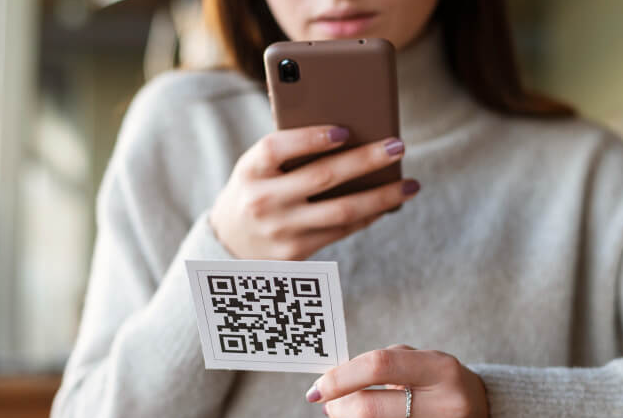
You've probably scanned dozens of QR codes this month without thinking twice – at a restaurant, a parking meter, maybe a payment terminal at the checkout. That automatic trust is exactly what scammers are exploiting right now, and the numbers are hard to ignore.
QR code phishing – better known as quishing – rose 587% from 2022 to 2023, and jumped another 25% in 2025, with over 26 million Americans already sent to malicious sites this way. And here's the uncomfortable part: only 39% of consumers can reliably spot infected QR codes before it's too late, which means the vast majority are scanning completely blind.
So what's actually going on, how do attackers pull it off, and what can you do about it? Let's break it down.
Quishing (QR + phishing) is the practice of hiding dangerous links inside QR codes to redirect people to fake websites, steal credentials, or install malware. Think of it as a classic QR code hack – but wrapped in a format the human eye simply cannot decode.
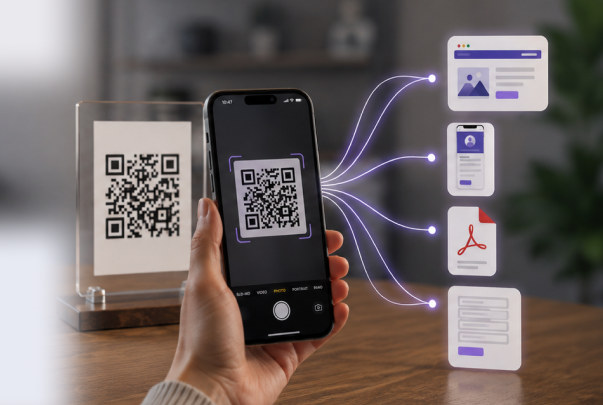
That's the core problem with QR code security: unlike a regular link in an e-mail that you can hover over and preview, a QR code reveals nothing until your browser has already loaded the destination. There's no misspelled domain to catch, no suspicious anchor text to notice. The danger of QR codes is invisible by design – and that's exactly what makes quishing phishing so effective compared to traditional scams.
This is why QR codes appeared in 22% of all phishing attacks in 2024–2025. They bypass most automated email filters because security tools can't read the URL encoded inside an image.
Understanding the full QR code threat landscape helps you recognize threats before you become a victim. Here are the most common attack patterns in 2025.
The most widespread physical method involves fake QR code stickers placed directly over legitimate codes – on parking meters, restaurant tables, transit signs, or retail displays. You think you're opening a map link or paying at a payment terminal. In reality, your card details are going straight to a scammer's fake portal. A quick physical inspection – checking whether the code sits flat or looks like it's been layered – can save you from this one entirely.
Since people typically scan QR codes with their phones, the embedded URLs bypass desktop security tools like firewalls and endpoint URL blockers. This makes QR code hacking through email particularly effective. The message looks like it's from Microsoft, your bank, or your company's IT department – complete with logos and professional formatting.
A significant 27% of these quishing attacks use fake multi-factor authentication alerts: "Your session has expired – scan to re-verify." That urgency is engineered to stop you from thinking twice.
This is one of the more overlooked dangers of scanning QR codes: half a million phishing emails with QR codes embedded in PDF attachments were detected in mid-2024 alone. The document looks legitimate – an invoice, a benefits statement, a delivery notice – and the QR code inside appears to be a convenient shortcut. The FTC has also flagged a surge in physical mail scams, where QR code malware links arrive printed on fake package slips or utility bills.
The newest and most concerning evolution of quishing cybersecurity threats involves AI-generated phishing pages that are nearly indistinguishable from real ones. Attackers can now spin up a convincing fake booking or PayPal login page in minutes, tailored to a specific target, with realistic branding and personalized copy. This has made QR code fraud prevention significantly harder for both individuals and organizations.
But the threat goes well beyond fake login pages. AI is now being used at every stage of the attack pipeline – from target selection to delivery to evasion.
The practical implication is straightforward: the visual and contextual cues that once helped people identify a scam are becoming unreliable. Skepticism about the source – not just the appearance – is now the more important filter.
The security risks of QR codes aren't distributed evenly. Some industries face dramatically higher exposure due to the nature of their QR code usage and the value of the data they handle.
| Industry | Why It's Targeted | Common Attack Vector |
|---|---|---|
| Finance & Banking | High-value credentials, payment data | Fake bank app login pages, spoofed PayPal / Venmo portals with credential harvesting |
| Healthcare | Sensitive patient data, legacy systems | Fake patient forms sent via e-mail, QR codes on printed intake paperwork |
| Education | Large user base, lower security awareness | Fake Wi-Fi login portals on campus, QR codes in PDF course materials |
| Retail & E-commerce | Payment processing, high foot traffic | Sticker scams over legitimate payment terminals, fake discount or loyalty booking codes |
| Restaurants & Tourism | High QR usage, public placement | Menu QR replacement with fake ordering pages, fake Wi-Fi portals in lobbies |
| Government | Public trust exploitation | Fake permit forms, spoofed tax payment portals mimicking official websites |
| Logistics | Package delivery urgency | Fake tracking URLs sent via SMS, QR codes on counterfeit delivery slips |
| Real Estate | High-value transactions | Fake property listing pages, fraudulent document signing forms, with credential theft |
Retail employees have the highest miss rate for detecting QR code malicious activity, while finance, manufacturing, and healthcare are consistently among the most targeted sectors. Notably, security issues with QR codes in healthcare carry especially serious consequences – patient data, insurance credentials, and internal systems are all at stake.
Create
QR Code Now!
Put your QR code link, add name for your QR, select content category and generate!

Here's a practical breakdown for staying safe – whether you're an individual user, a business owner, or responsible for marketing materials that include QR codes.

Most modern smartphones show you the destination link immediately after scanning, before your browser loads anything. This ten-second habit is the foundation of QR code safety – don't skip it.
When checking the URL, watch for:
Use a secure QR code scanner app – not just your phone's default camera. A proper QR code safety checker will flag known malicious domains before opening anything, giving you a genuine layer of protection rather than just convenience.
Tamper detection is a real concern in high-traffic locations. Before scanning anything in public, look closely: does the code sit flush against the surface, or does it look slightly raised? Are the edges clean, or does it appear to be a sticker applied over something else?
This is especially important at parking meters, transit stations, and anywhere QR code payment security is involved – precisely the locations scammers target most, because urgency and distraction work in their favor.
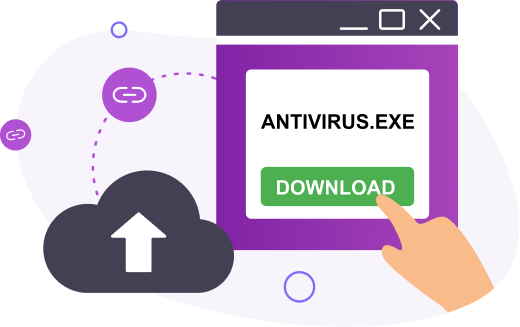
This is where QR phishing does the most damage. Legitimate companies – banks, software providers, HR departments – do not ask you to scan a QR code to verify your identity or reset your password via email. If you receive such a message, go directly to the company's official website by typing the address manually.
Never scan a QR code from an image or PDF attachment you weren't expecting, regardless of how official it looks. This applies to WhatsApp forwards and SMS messages too – hackers using QR codes have moved well beyond email.
Not all scanning apps offer the same level of protection. A basic camera just reads the pattern – a most secure QR code scanner actively cross-references the destination URL against threat databases in real time. Look for apps that explicitly offer QR code reader security features: URL preview, malware detection, and domain reputation checks.
Verifying QR codes before acting on them is the single most effective habit you can build. If an app doesn't show you the link before opening it, find one that does.
Watch for these red flags regardless of context – whether you're scanning QR for a social media page, a Wi-Fi network, a vCard contact, or a payment link:
Mistakes happen – here's how to limit the damage. Disconnect from Wi-Fi and mobile data right away to cut off communication with the attacker's server. Run a scan using a trusted mobile security app. Change any passwords entered after scanning, prioritizing financial and work accounts. Check your App Markets install history for anything unfamiliar, revoke unknown permissions, and contact your bank immediately if any payment details were involved.
If your organization uses QR codes in marketing campaigns, e-commerce flows, real estate listings, healthcare intake forms, or restaurant menus – securing QR codes is part of your responsibility to users.
Effective QR code security features for businesses include using stylized codes with your logo and brand colors (which are harder to convincingly fake), clearly communicating to users what they should expect to see after scanning, and routinely inspecting public-facing codes for signs of tampering.
Beyond that, the choice of QR code generator security matters. A most secure QR code generator will vet the destination URL at the point of creation – blocking malicious links, spam, and prohibited content before the code ever goes live. Me-QR does exactly this: every dynamic QR code generated through the service is automatically checked for malware, phishing content, and policy violations, so neither you nor your customers are exposed to QR code security risk through your own materials.
The dangers of using QR codes aren't inherent to the technology itself – they live in where a code leads and whether you bother to check. Staying safe isn't about avoiding QR codes — it's about knowing what to look for before you scan.
Check the URL. Inspect the physical code. Use a QR security scanner that does the verification for you. The scammers behind these QR code hacks are counting on autopilot. And statistically, they're right to – 61% of people still scan without checking where a code leads. That number is the actual vulnerability. Close it, and you've already done more than most.
Manage your QR codes!
Collect all your QR codes in one place, view statistics, and change content by creating an account
Sign up


Was This Article Helpful?
Click on a star to rate it!
Thank you for your vote!

Average Rating: 5/5 Votes: 2
Be the first to rate this post!

Expert in backend development and database architecture. Specializes in building, optimizing, and maintaining scalable PHP applications, designing efficient database structures, and ensuring data integrity and performance. Experienced in working with relational databases, writing optimized queries, and integrating backend systems with APIs and business logic to support reliable, high-performance web solutions.
View LinkedIn Profile
Create codes with our free QR generator of codes. Comprehensible interface, variety in choosing the type of your QR-code, the ability to view statistics!
Download Our App
Now it’s simple and easy to create and scan QR Codes!


Information
Legal
Support
Our Newsletter


Create codes with our free QR generator of codes. Comprehensible interface, variety in choosing the type of your QR-code, the ability to view statistics!
Download Our App
Now it’s simple and easy to create and scan QR Codes!







Copyright © 2018- Me-Team