How QR Codes Help Businesses Cut Paper Waste?
To create a QR code for a link, video or picture - click on the button below.

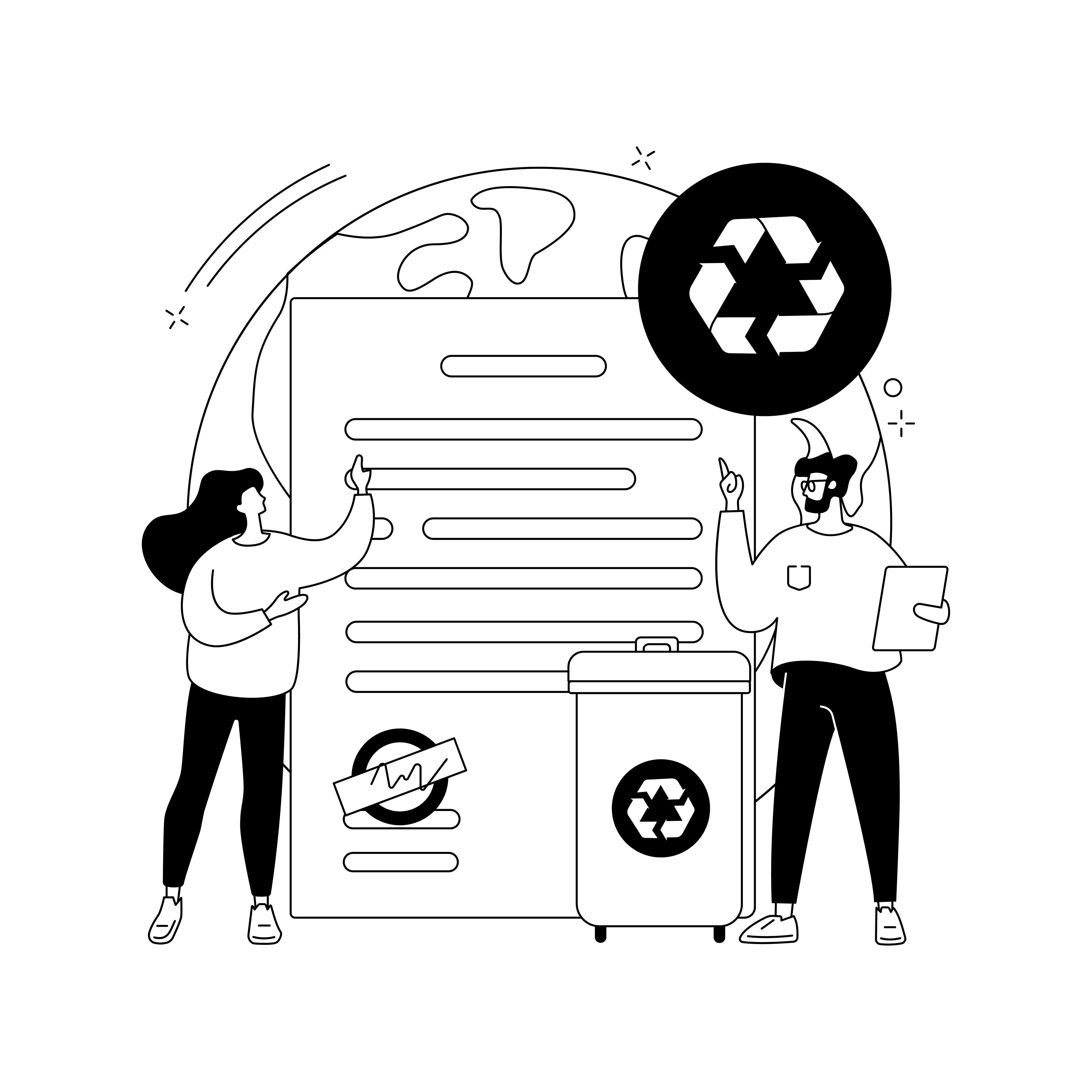
Every reprinted menu, every box of outdated business cards, every stack of leftover flyers has the same root cause: information changed, and the paper didn't catch up. A restaurant raises its prices and reprints fifty menus. An employee changes phone numbers, leaving a box of outdated business cards headed for recycling. A conference updates its schedule and last week's printed program is already wrong.
QR codes do not eliminate the environmental footprint of sharing information — a smartphone, a server, and a data network all use energy too. What dynamic QR codes can do is reduce how often that information needs to be printed again from scratch, because the destination or content can be updated without replacing the printed code.
The Real Cost of Repeated Printing
Most businesses don't think of printing as a recurring cost until they add it up. Menus get reprinted every time a dish or price changes. Flyers for a single event get discarded the day after. Business cards sit in a drawer the moment someone changes roles. Forms and instructions get updated, and the old version becomes scrap.
None of this is really about one print run — it's about how many times the same document gets reprinted over its lifetime. A price list that changes quarterly gets printed four times a year, not once. A brochure revised twice means every unsold copy from the first run is now unusable.
For businesses that want to go beyond counting sheets, the Environmental Paper Network's Paper Calculator estimates the lifecycle impact of paper use — including wood, energy, greenhouse gas emissions, water, and solid waste — and can also model the benefits of paper that was never used in the first place.
The environmental impact of a single printed page may seem easy to overlook. Reprinting the same information dozens of times a year, across every location a business operates, makes that impact much easier to see.
QR Menus vs. Paper Menus
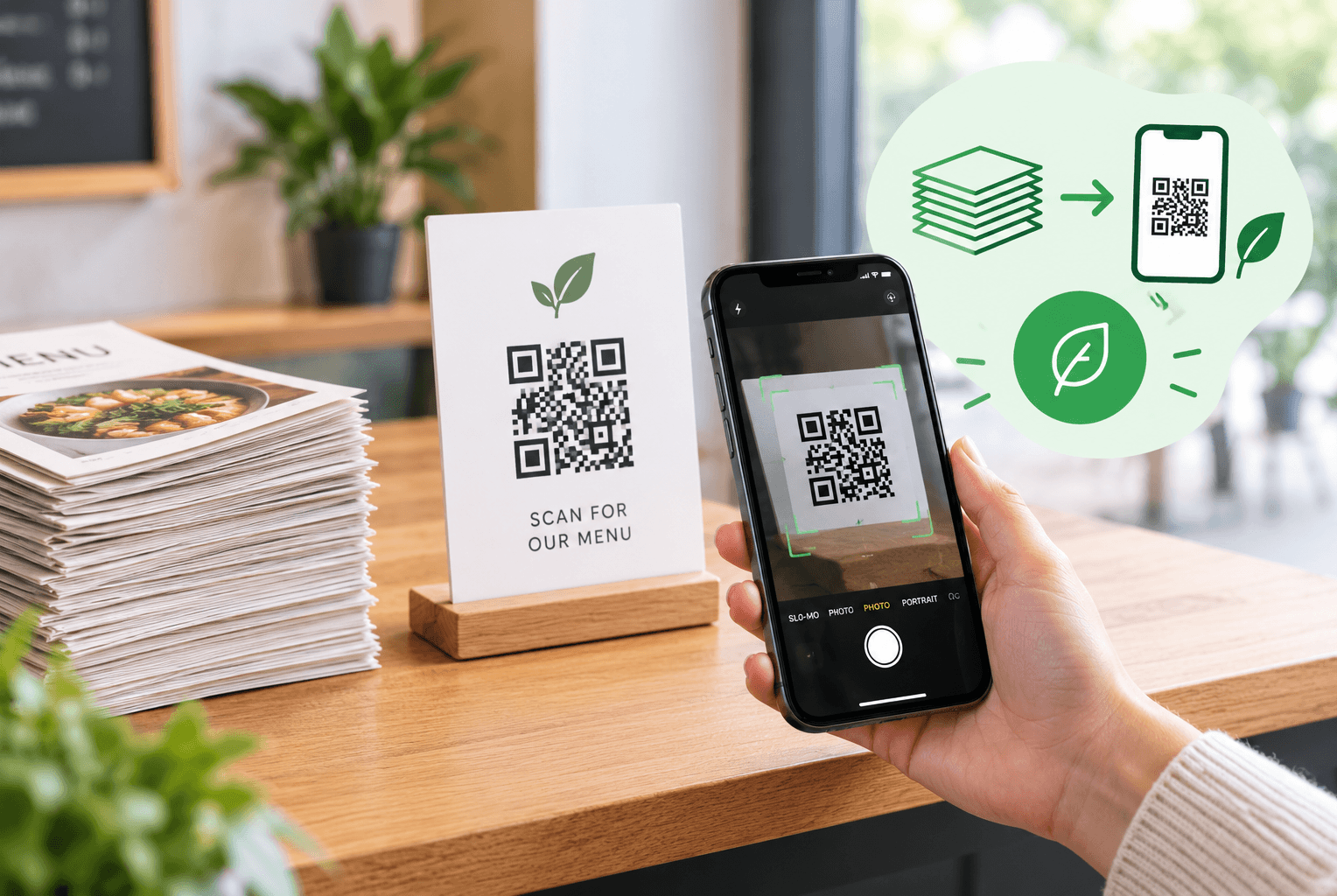
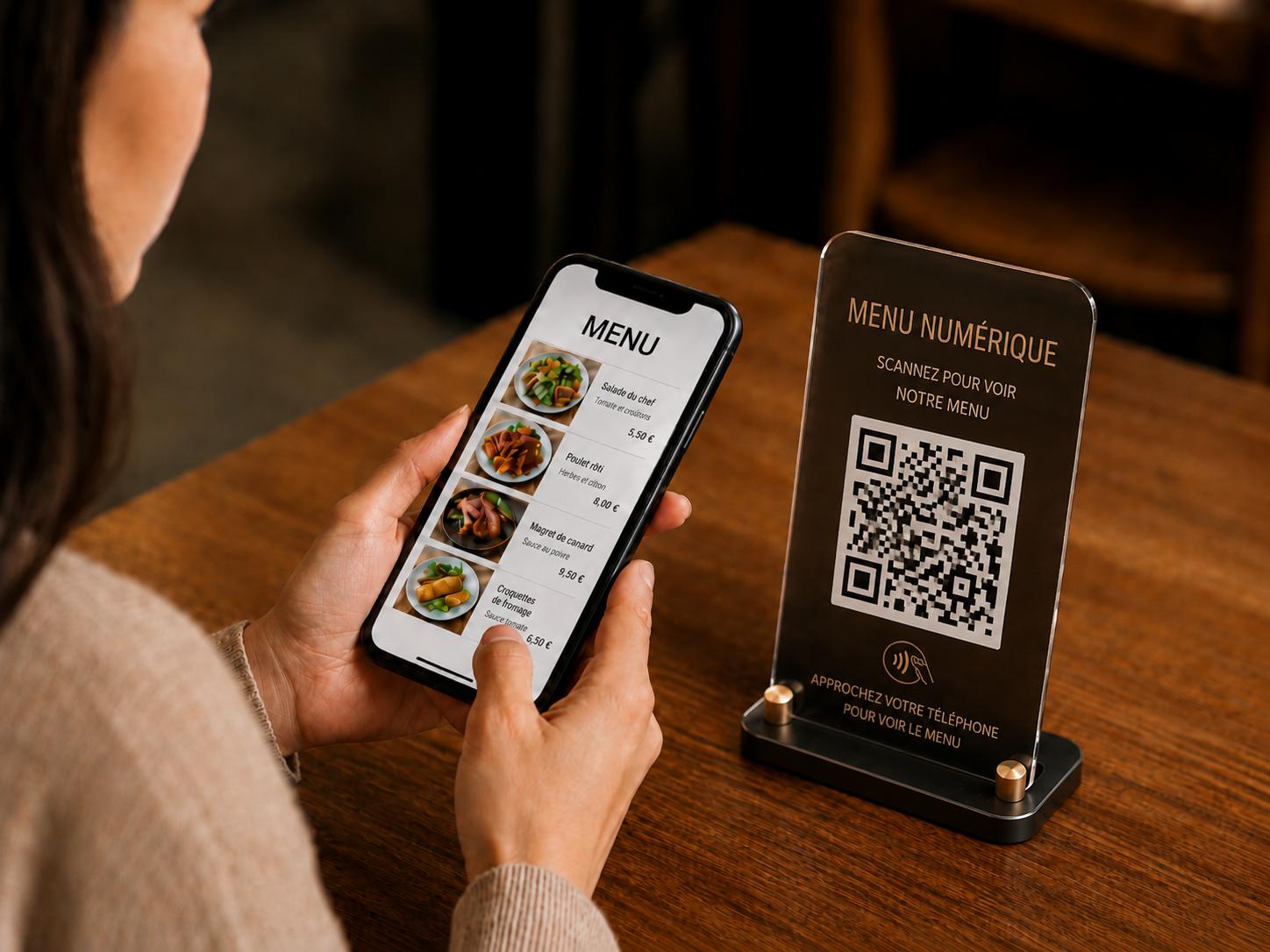
A menu is one of the clearest examples of information that changes more often than paper can keep up with. Seasonal dishes rotate, prices adjust, and a single printing error means an entire batch gets redone.
|
Factor |
Printed Menu |
QR Menu |
|
Price changes |
Requires reprinting |
Content updated online |
|
Seasonal dishes |
New print run |
Updated without new signage |
|
Wear and damage |
Physical replacement |
QR sign can be reused |
|
Number of copies |
Multiple menus needed |
Reusable QR signs replace multiple menu copies |
|
Disposal |
Old menus become waste |
No recurring print material |
For restaurants, the printed PDF menu doesn't disappear entirely — a QR code can still point to one, updated in place, instead of a new file needing to be printed and laminated every time something changes.
As an illustrative calculation, not an industry average: a restaurant reprinting fifty menus four times a year to reflect seasonal changes avoids roughly 200 printed copies annually by switching to a QR-based menu updated online instead of reprinted. This simple estimate counts avoided menu reprints and does not subtract the one-time material used for reusable QR signage. The exact number depends entirely on a restaurant's actual print volume and how often its menu changes.
Digital Business Cards Instead of Printed Ones
A batch of printed business cards is accurate for exactly as long as nothing about the person on it changes. A new phone number, a promotion, a change of office, or a rebrand can turn an entire box of cards into scrap before it's even half used.
A dynamic vCard QR code sidesteps that problem in a specific way: the printed QR image can stay the same while the contact information behind it is updated. A company ordering 500 cards for an employee may need another batch as soon as that employee changes role, phone number, office, or branding — a digital card just gets updated instead.
This doesn't mean printed cards disappear from an office entirely, but it changes how often a full reprint is actually necessary, which is where most of the avoidable printing happens in the first place. For conferences and trade shows, a QR code displayed on a reusable badge, booth sign, or digital profile can keep pointing to current contact details without requiring a new batch of cards every time something changes.
How Much Paper Can QR Codes Actually Save?
The honest answer depends entirely on how often a business reprints the same material — there's no single number that applies to every business. What's calculable is the relationship between print volume, page count, and how many reprints get avoided. Reprint frequency, more than page count, tends to be the biggest variable: a thin brochure reprinted six times a year adds up faster than a thick one printed once.
Annual pages avoided = copies per print run × pages per copy × print runs avoided
|
Material |
Print Volume |
Reprints Avoided |
Pages Avoided |
|
Restaurant menu |
50 copies × 4 pages |
4 per year |
800 |
|
Event program |
300 copies × 2 pages |
3 events |
1,8 |
|
Product brochure |
500 copies × 6 pages |
2 editions |
6 |
These are illustrative calculations, not industry averages — a business with different print volumes, page counts, or update frequency will land on a very different number. Businesses that want this figure for their own operations can plug in their real print volume and reprint frequency; the formula works the same regardless of scale, from a single café to a chain with dozens of locations.
Where Else Can Businesses Replace Print with QR Codes?
Menus and business cards are the most visible examples, but they're far from the only place printed materials get reprinted more often than necessary.
Bookings. Printed appointment slips and confirmation notices can be replaced with a booking QR code that points to live scheduling information instead of a fixed piece of paper.
Surveys and feedback. Paper questionnaires get printed for one event and discarded after — a Google Forms code collects the same responses without a stack of forms to recycle afterward.
Instructions and documents. Product manuals, onboarding guides, and internal instructions can live behind a file QR code, updated the moment a process changes instead of reprinted booklet by booklet.
Events and visitor information. A single List of Links can connect a schedule, a map, and contact details that would otherwise need several separate handouts.
Travel and visitor services. Tourism organizations often reprint maps and guides seasonally — a reusable code can carry updated information without a new print run each time attractions or hours change.
The same logic extends to nonprofits distributing donor information, schools updating course materials, and any business that hands out printed information more than once a year.
How to Switch from Printed Materials to QR Codes?
- Audit what your business prints regularly. List every recurring item — menus, cards, forms, flyers — not just the big print runs.
- Identify what changes most often. Materials revised frequently are where reprinting adds up fastest.
- Move that information to a digital destination. A webpage, a form, or a document that can be edited without a new print run.
- Create the matching dynamic QR code. Point it at that destination rather than a fixed file.
- Use durable signage instead of disposable prints. A code with a logo printed once on a table stand or wall sign can outlast dozens of paper reprints behind it.
- Compare print volume after a few months. The real savings show up in fewer reorders, not in any single QR code
Are QR Codes Really Better for the Environment?
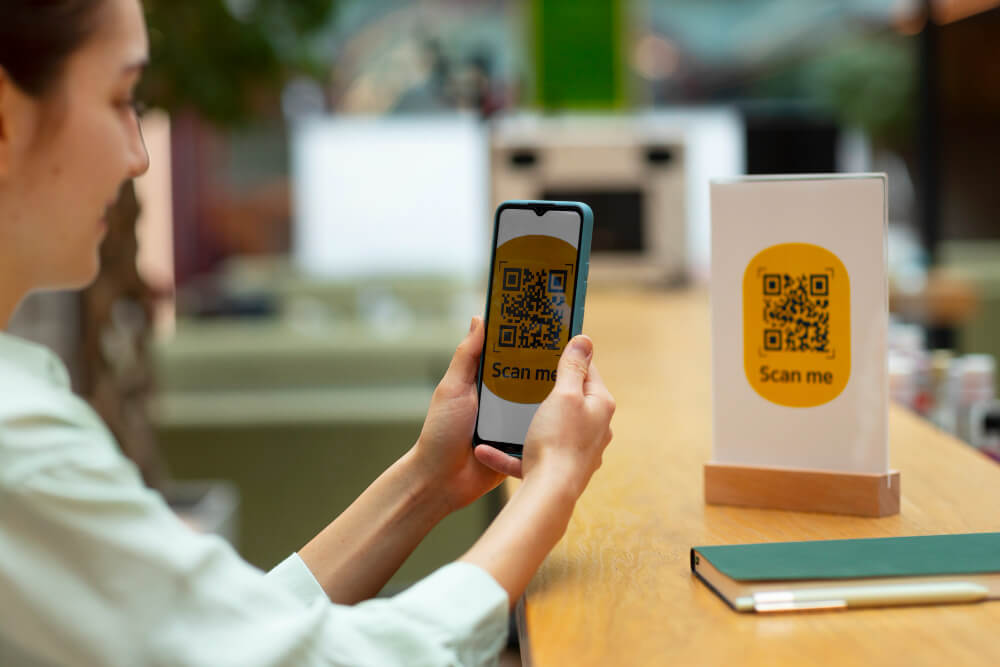
It would be misleading to say QR codes have no environmental footprint of their own. Every scan involves a smartphone, a network connection, and often a server somewhere rendering a page — all of which use energy, same as any other digital activity.
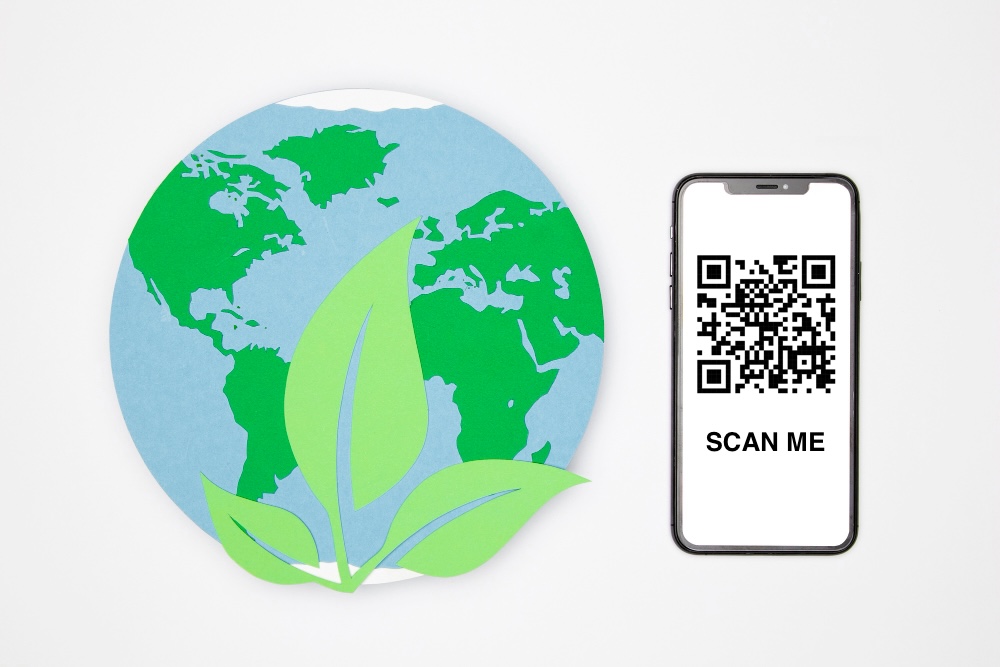
The honest case for QR codes isn't that they're impact-free. It's that a single reusable code can replace many repeated print runs of the same information, and the environmental cost of printing scales with how often something gets reprinted, not just with any one print job. A QR code sitting next to paper menus that are still being reprinted doesn't save anything — the benefit only appears when the code actually replaces those reprints rather than being added alongside them.
Conclusion
The environmental case for QR codes isn't that they make information impact-free — a scan still relies on a network and a device, the same as any digital activity. It's that information which changes often no longer has to be printed again every time it does. A menu that gets updated without a new print run, a business card that stays accurate without a new box, a form that doesn't need reprinting for every event — these add up not because any single QR code is dramatic, but because the reprints they replace happen more often than most businesses realize.
Frequently Asked Questions
It depends on how they're used. A QR code that replaces a printed item reprinted several times a year reduces paper waste; one added alongside printed materials that still get reprinted anyway doesn't.